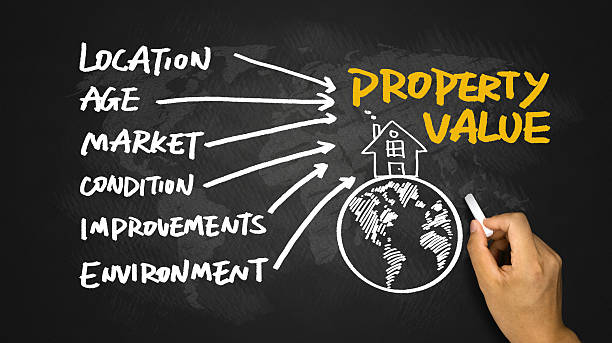
If you’ve ever wondered what factors increase property value over time?, you’re not alone. Almost every property buyer thinks about this at some point — whether they are investing, building a home, or just planning long-term wealth. Real estate is not just about buying a house; it’s about buying potential. And that potential grows (or sometimes shrinks) depending on many factors.
Let’s talk about the real things that actually push property value upward over the years.
First of all, location still rules everything. You can renovate a house, repaint it, redesign it — but you can’t change where it stands. A property in a growing city like Mumbai or Bengaluru will naturally have better appreciation chances than one in a remote area with no development plans. Areas close to business hubs, schools, hospitals, shopping centers, and metro stations usually see steady value growth. When infrastructure improves — like a new highway or metro line — prices often rise even before the project is completed.
Infrastructure development is actually one of the biggest drivers. When the government announces new airports, highways, IT parks, or smart city projects, property prices around those zones usually climb. A good example is how areas near the Noida International Airport have seen increasing investor interest even before operations began. Connectivity makes daily life easier, and buyers are willing to pay more for convenience.
Another important factor is economic growth. When jobs increase and businesses expand, more people move into a city. Higher demand for housing means higher prices. Cities with strong IT, finance, or industrial sectors often experience consistent appreciation. If companies are hiring and salaries are rising, real estate benefits automatically.
Now let’s talk about neighborhood quality. Clean surroundings, low crime rates, parks, good schools, and a sense of community all matter. Families especially look at safety and education first. If an area builds a good reputation over time, property values rise because demand becomes stable and long-term. Nobody wants to invest in an area that feels unsafe or poorly maintained.
Property condition and upgrades also play a role. A well-maintained property will always attract better value than a neglected one. Renovations like modular kitchens, modern bathrooms, energy-efficient windows, and proper landscaping increase both rental and resale value. Even small improvements like repainting, fixing leaks, or updating flooring can make a big difference. Buyers are often willing to pay more for something that feels “ready to move in.”
Market demand and supply balance is another big factor. When demand is high and supply is limited, prices naturally increase. This often happens in central city areas where land is scarce. On the other hand, if too many projects are launched at once, prices can stay flat for years. So understanding the local supply pipeline is important before investing.
Interest rates also influence property value over time. When home loan rates are low, more people buy homes. That increases demand and pushes prices upward. But when interest rates rise, affordability decreases, and price growth may slow down. Real estate is directly connected to financing conditions.
Population growth and urbanization also support long-term appreciation. As more people migrate to cities for jobs and better living standards, housing demand grows. India, for example, is still urbanizing rapidly. That means cities are expanding, and new residential areas are developing constantly. Long-term urban growth usually supports property value increases.
Then there’s the factor of future development potential. Smart investors often look at “what’s coming next” instead of “what’s already there.” If a quiet area is planned to become a commercial or tech hub in five years, early buyers benefit the most. Patience plays a big role here. Real estate wealth usually builds slowly, not overnight.
Rental demand also indirectly increases property value. If a property generates stable rental income, it becomes more attractive to investors. Areas near universities, corporate offices, and IT parks often have strong rental markets. Higher rental yields can support higher selling prices because buyers see income potential.
Legal clarity and clear land titles are also crucial. Properties with clean documentation, proper approvals, and no disputes hold value better. Buyers avoid risky assets. A legally secure property always commands a premium in the market.
Amenities inside residential projects matter too. Gated communities with security, gyms, swimming pools, clubhouses, and green spaces often appreciate faster than standalone buildings. Modern buyers look for lifestyle, not just four walls. Developers who focus on long-term quality construction also create stronger resale markets.
Even macro factors like inflation play a role. Over time, construction costs increase — cement, steel, labor, land — everything becomes expensive. That naturally pushes property prices upward. Real estate is often seen as a hedge against inflation because it tends to rise along with economic growth and rising costs.
However, it’s important to understand that appreciation is not automatic. Not every property doubles in value. Poor location, oversupply, legal issues, or weak infrastructure can keep prices stagnant for years. That’s why research matters so much before buying.
Timing also makes a difference. Buying during a market slowdown or early in a development cycle often gives better long-term returns than buying at peak hype prices. Real estate moves in cycles — boom, slowdown, recovery — and smart investors watch these patterns.
Another underrated factor is community reputation. Over time, some neighborhoods build a premium brand image. Once an area becomes known as “posh” or “elite,” demand increases simply because of perception. Branding of a locality can strongly influence value growth.
So when asking what factors increase property value over time?, the answer is actually a mix of location, infrastructure, economic growth, demand-supply balance, property condition, legal clarity, amenities, and long-term urban trends. No single factor works alone. It’s always a combination.
Real estate rewards patience. Unlike stocks, property doesn’t usually jump overnight. But steady growth over 10–15 years can create serious wealth. The key is choosing wisely at the start.
At the end of the day, property value increases when people genuinely want to live, work, and invest in that area. Demand drives everything. And demand grows where opportunity, convenience, safety, and lifestyle come together.
If you focus on these fundamentals instead of short-term hype, chances are your property will grow stronger in value as the years pass.