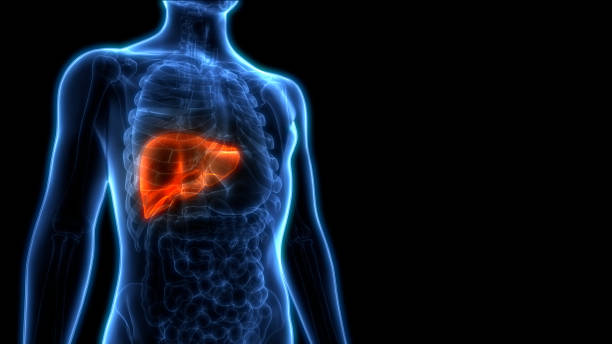
Most people think sleep is just “rest.” Like your body is switching to airplane mode for a few hours. But honestly, it’s more like a full system update. When you don’t get proper sleep, things don’t just feel a little off — your whole body starts reacting in ways you might not even notice at first.
So what really happens to your body without proper sleep? A lot more than dark circles under your eyes.
First, your brain takes the biggest hit. During deep sleep, your brain clears out waste products and resets itself. Scientists often talk about how the brain’s cleaning system works best at night. When you cut sleep short, that cleanup doesn’t fully happen. The next day you feel foggy, distracted, slower. It’s like trying to use your phone with 2% battery left. You can function… but barely.
Memory also suffers. Sleep plays a major role in storing information. Research from places like Harvard Medical School shows that sleep helps consolidate memories. So if you study late but sleep only four hours, your brain may not properly lock in what you learned. That’s why all-nighters rarely work long term.
Then there’s your mood. Lack of sleep makes emotions harder to control. Small problems feel huge. You get irritated easily. Sometimes even anxious or low for no clear reason. That’s because sleep helps regulate the part of the brain that manages emotional responses. Without proper sleep, that balance goes off. You might snap at someone and later think, “Why did I react like that?”
Now let’s talk about your heart. This part is serious. When you don’t sleep enough, your body stays in a slightly stressed state. Stress hormones like cortisol remain elevated. Over time, this can increase blood pressure and strain the cardiovascular system. According to the Centers for Disease Control and Prevention, chronic sleep deprivation is linked to higher risks of heart disease, stroke, and high blood pressure. It’s not just about feeling tired — your heart actually works harder.
Your immune system also weakens. Ever noticed how you’re more likely to catch a cold after a few bad nights? That’s not random. During sleep, your body produces proteins called cytokines that help fight infection and inflammation. Without enough sleep, your body produces fewer of them. So your defenses go down. It’s like sending soldiers home before the battle even starts.
Another thing people don’t expect: weight gain. When you don’t get proper sleep, the hormones that control hunger get messed up. Ghrelin (the hunger hormone) increases, and leptin (the fullness hormone) decreases. So you feel hungrier, especially for sugary or high-carb foods. On top of that, when you’re tired, you move less and crave quick energy. That combination can slowly lead to weight gain and even increase the risk of type 2 diabetes.
Your metabolism changes too. Sleep affects how your body processes insulin. With chronic sleep deprivation, your cells can become less responsive to insulin, which makes it harder to control blood sugar levels. Over time, this can create serious health problems.
Let’s not ignore your skin. People call it “beauty sleep” for a reason. While you sleep, your body repairs tissues and produces growth hormone. Without proper sleep, your skin doesn’t get enough time to repair itself. That’s why dullness, fine lines, and breakouts can show up after continuous late nights. It’s not magic cream you need — sometimes it’s just better sleep.
Reaction time is another big one. If you’re sleep-deprived, your coordination and focus drop. Driving while sleep-deprived can be as dangerous as driving under the influence. Studies have even compared 24 hours without sleep to having a blood alcohol level over legal driving limits in some countries. That’s scary when you think about it.
Hormones in general get disturbed. Sleep regulates many of them — growth hormone, stress hormones, reproductive hormones. Poor sleep can affect menstrual cycles, fertility, testosterone levels, and even muscle growth. Athletes, for example, prioritize sleep because recovery literally depends on it.
And here’s something that surprised me when I first read about it: long-term sleep deprivation may even affect brain health as you age. Research supported by organizations like the National Institutes of Health suggests that poor sleep over many years may be associated with cognitive decline and increased risk of neurodegenerative conditions. While sleep alone isn’t the only factor, it clearly plays a protective role.
But here’s the tricky part — sometimes we don’t realize we’re sleep deprived. You might think, “I’m used to 5 hours, I’m fine.” But your body keeps the score. Just because you can push through the day doesn’t mean your systems aren’t stressed. Chronic lack of sleep builds up quietly.
Short term, you feel tired and cranky. Medium term, your focus and immunity drop. Long term, your heart, metabolism, brain, and overall health can suffer.
So what actually counts as “proper sleep”? For most adults, it’s around 7 to 9 hours per night. Not just time in bed, but quality sleep — meaning uninterrupted cycles of deep and REM sleep. Scrolling on your phone in bed until 2 a.m. doesn’t count, even if you’re technically lying down.
The good news? Sleep is one of the most powerful free health tools available. You don’t need a prescription. You don’t need expensive supplements. Basic habits help — going to bed at the same time, reducing caffeine late in the day, limiting screens before sleep, keeping your room dark and cool.
If you’re constantly exhausted even after sleeping enough hours, that could signal deeper issues like sleep apnea or chronic stress. In those cases, medical guidance can help.
At the end of the day, what happens to your body without proper sleep isn’t small. It’s not just about feeling sleepy. It affects your brain, heart, weight, mood, immunity, hormones — almost every system.
Sleep isn’t laziness. It’s maintenance.
And honestly, in a world where everyone is trying to hustle harder and sleep less, protecting your sleep might be one of the smartest health decisions you can make.