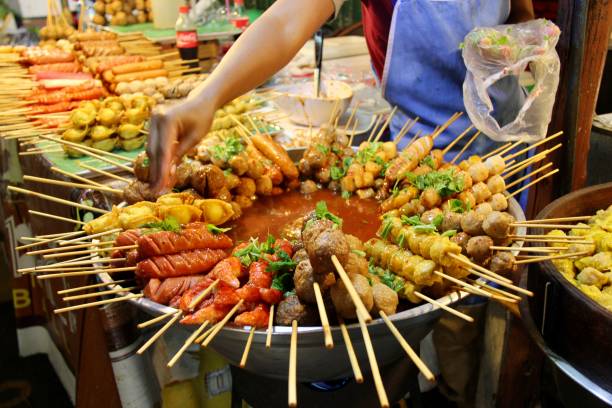
What Makes Street Food So Popular Worldwide? Honestly, the answer is not just “because it’s cheap.” It’s way deeper than that. Street food is emotion. It’s culture. It’s that smell in the air that pulls you in even when you’re not hungry. Whether you’re walking through the crowded lanes of Mumbai, exploring night markets in Bangkok, or grabbing a hot dog in New York City, street food feels alive.
Let’s break this down in a real, simple way.
First thing — affordability. Street food is usually cheaper than restaurant food. That makes it accessible to everyone. Students, office workers, tourists, even families. You don’t need to dress up or reserve a table. You just walk up, order, pay, and eat. In many countries, street vendors understand local budgets better than big restaurants. They know what people can afford daily. That’s powerful.
But cheap alone doesn’t make something popular worldwide. If that was the case, plain bread would be the king everywhere.
Second — authenticity. Street food often represents the real taste of a place. Not the fancy, polished version made for Instagram. I mean the raw, traditional flavor that locals grow up eating. In Delhi, chaat from a roadside vendor tastes different than the same dish in a 5-star hotel. In Mexico City, tacos from a street cart hit differently than a restaurant platter. It feels original.
When tourists travel, they don’t just want to see monuments. They want to taste the culture. Street food becomes a shortcut to understanding a country.
Then comes convenience. Life is busy. People don’t always have time for long dining experiences. Street food is fast. You’re on your lunch break? Grab something quick. You’re exploring a new city? Eat while walking. You’re out late at night? Street vendors are often still open.
In places like Istanbul, you’ll see people standing around carts eating simit and chatting. It’s casual. No pressure. No formalities. Just food and conversation.
Another big reason is variety. Street food scenes are crazy diverse. In one single street, you might find sweet, spicy, fried, grilled, steamed — everything. Night markets in Taipei are famous for this. You don’t just go there to eat one thing. You go to explore flavors.
And honestly, street food allows experimentation. Vendors can try new twists without investing millions like restaurants. If something works, it becomes viral. If not, they adjust quickly. That flexibility keeps street food exciting.
Now let’s talk about the experience.
Street food is social. You don’t sit isolated at a private table. You stand next to strangers. You watch your food being cooked right in front of you. There’s smoke, sound, conversation, bargaining sometimes. It feels human. Restaurants sometimes feel too controlled. Street food feels real.
I remember reading about how cities like Tokyo balance tradition and modern food culture. Even in a super advanced place, small street stalls still attract people. That says something. It’s not about luxury. It’s about connection.
There’s also nostalgia. For many people, street food reminds them of childhood. After-school snacks. Late-night college memories. First dates. Family outings. Food connects to memory, and street vendors often stay in the same area for years. Generations grow up eating from the same cart.
Hygiene concerns are often discussed, and yes, sometimes that can be an issue. But globally, many cities are improving regulations and vendor training. Some places even promote street food as part of tourism. In countries like Singapore, hawker centers are organized, clean, and internationally recognized. That shows street food can be both authentic and structured.
Social media also plays a big role now. One viral video of a cheese pull or giant sandwich and suddenly everyone wants to try it. Food bloggers and travel vloggers showcase street food constantly. A small vendor can become famous overnight. This digital exposure makes street food global, not just local.
And let’s not ignore flavor intensity. Street food is bold. Spicy, tangy, crunchy, messy. It doesn’t hold back. Restaurants sometimes tone things down for wider audiences. Street vendors cook for people who already know and love strong flavors.
There’s also economic importance. Street food creates jobs. It supports small families. It keeps local food traditions alive. In many developing countries, it’s a major part of the informal economy. Without street food, many households would struggle financially.
Interestingly, even developed countries embrace it. Food trucks in cities like Los Angeles turned street-style eating into a trendy movement. What started as simple roadside cooking became gourmet food trucks serving creative dishes. Street food keeps evolving.
So what makes street food so popular worldwide?
It’s affordable but flavorful.
It’s quick but meaningful.
It’s simple but deeply cultural.
It’s messy but memorable.
Most importantly, it feels democratic. Anyone can enjoy it. You don’t need status, reservations, or fancy clothes. Just appetite.
In a world where many things are becoming digital and isolated, street food still forces people to step outside, stand together, and share space. Maybe that’s the real reason it survives everywhere — from busy Asian markets to European squares to American city corners.
Street food is not just about eating. It’s about living in the moment. And maybe that’s why, no matter how modern our world becomes, a small cart with good food will always attract a crowd.