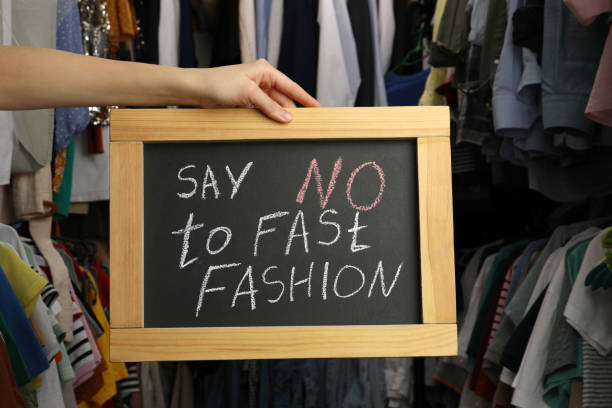
If you really think about it, fashion moves faster than almost anything else. One month everyone is wearing oversized hoodies and baggy jeans, and the next month suddenly it’s all about fitted silhouettes again. Sometimes it feels like we barely get used to one trend before it disappears. So honestly… why do fashion trends change so quickly?
The first big reason is social media. Platforms like Instagram and TikTok have completely changed how trends are born and spread. Earlier, people used to wait for fashion magazines or runway shows to know what’s “in.” Now, one influencer posts a viral outfit reel, and within days thousands of people copy it. A single video can create a global trend overnight. But here’s the catch — when something spreads that fast, it also gets boring fast. People scroll so quickly that they’re always looking for something new. So trends don’t just rise fast… they die fast too.
Another reason is fast fashion brands. Companies like Zara and H&M produce new designs every few weeks. They study runway shows, celebrity outfits, even street style photos, and quickly turn those ideas into affordable clothes. Earlier, fashion worked season by season — summer collection, winter collection. Now it feels like there’s a new micro-collection every month. When brands keep pushing new options, customers naturally move on from old styles quicker.
Celebrity culture also plays a huge role. When someone like Kylie Jenner or Taylor Swift wears a certain style, it instantly becomes popular. Fans want to recreate the same vibe. But celebrities themselves keep reinventing their looks to stay relevant. So when they change, the public changes with them. It’s almost like fashion follows fame.
Then there’s the psychological side of things. Humans get bored easily. Wearing the same style for too long feels repetitive. Fashion gives people a way to express identity, mood, and personality. When someone changes their clothing style, it feels like a small personal transformation. It’s exciting. That emotional excitement pushes trends to shift again and again. People don’t just want clothes — they want newness.
Globalization makes trends move even faster. Earlier, styles were more regional. What people wore in Paris might not reach India quickly. But now everything is connected. A street trend in Seoul can become popular in Mumbai within days. Fashion weeks in cities like Paris, Milan, and New York City are livestreamed and instantly analyzed online. Designers show new ideas, bloggers review them immediately, and brands copy them fast. The whole system works at high speed.
There’s also the concept of micro-trends. Instead of one big trend lasting years, now we see tiny trends that explode for a few months. Think about things like cottagecore, Y2K fashion, or clean girl aesthetic. These trends often start in niche online communities and then become mainstream. But because they are very specific and visually strong, they burn out quickly. Once everyone adopts the look, it no longer feels unique. And fashion thrives on uniqueness.
Economic factors matter too. Fashion is a business. Brands need customers to keep buying. If trends stayed the same for five years, people wouldn’t shop as often. By introducing new styles constantly, companies create a sense of urgency. It’s almost like silent pressure — “Buy this now before it’s outdated.” This cycle keeps the industry profitable. Honestly, sometimes trends change not because we need change, but because businesses need sales.
Technology also influences rapid shifts. New fabrics, new production techniques, and digital design tools allow brands to experiment more. Even virtual fashion and AI-generated designs are entering the market. The faster brands can design and manufacture, the faster trends can evolve. It’s like fashion is now running on high-speed internet instead of dial-up connection.
Interestingly, fashion is also heavily influenced by culture and current events. For example, during global lockdown periods, comfortable loungewear became extremely popular. When people returned to offices and social life, structured and bold styles came back. Fashion reflects society’s mood. And since society changes quickly — politically, socially, emotionally — fashion mirrors that change.
But here’s something ironic. Even though trends change quickly, they also repeat. Y2K fashion from the early 2000s is back. 90s minimalism returned. Vintage denim is trending again. Fashion might move fast, but it often circles back. Designers recycle old ideas with a modern twist. So maybe trends don’t really “disappear” — they just rest for a while.
At the same time, consumers today are more experimental. People mix streetwear with traditional outfits, luxury with thrifted pieces. The old fashion rules are breaking. When there are no strict rules, styles naturally evolve faster. Individual expression speeds up trend cycles because everyone wants something slightly different.
And let’s be honest — attention spans are shorter now. We live in a scroll culture. If something doesn’t grab attention in seconds, we move on. Fashion brands know this. So they constantly introduce bold colors, new patterns, and surprising combinations to keep us interested. Once we’ve seen it too many times on our feed, it loses excitement.
So why do fashion trends change so quickly? It’s not just one reason. It’s social media, fast fashion, celebrity influence, business strategies, psychology, technology, and culture — all working together. Fashion today is like a fast-moving conversation happening online. Every day someone adds a new idea, and the conversation shifts.
In a way, fashion has become less about following strict seasonal rules and more about reacting in real time. Trends now are fluid, flexible, and sometimes chaotic. And maybe that’s the point. Fashion reflects the world we live in — fast, connected, constantly changing.
Maybe instead of chasing every new trend, the smarter approach is to pick what actually suits your personality and ignore the rest. Because while trends change quickly, personal style lasts longer. And honestly, that never really goes out of fashion.